Master Tour Peter Paul Rubens: the genius of Antwerp

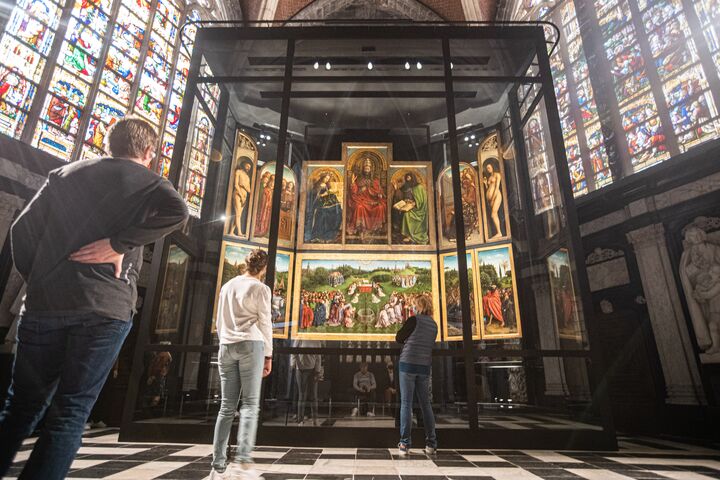
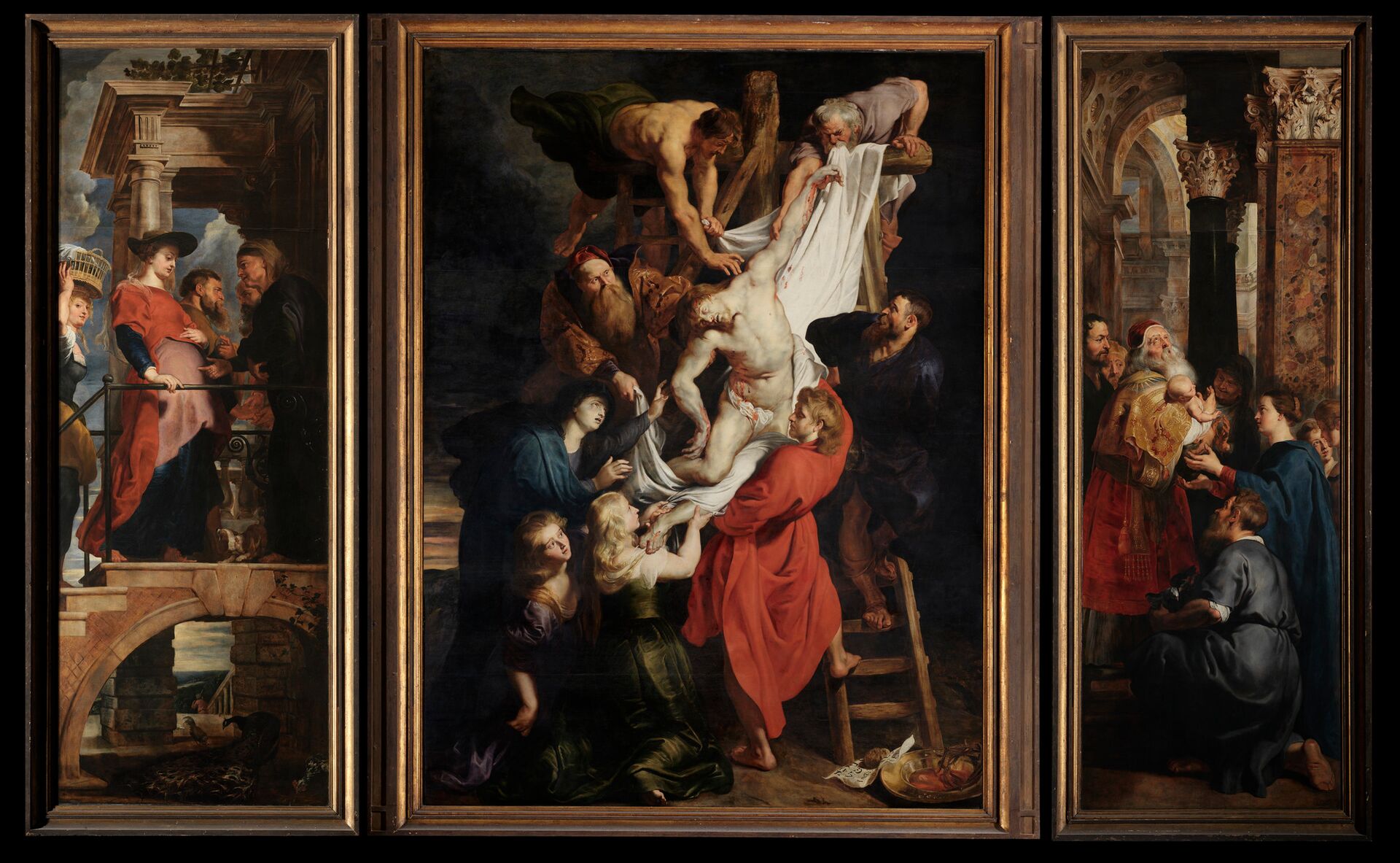
Descent from the Cross - Peter Paul Rubens in Antwerp

Artist, marketer, scientist, diplomat and family man. Rubens was an extraordinary talent, but also an ordinary man. He loved life. Sometimes quiet, sometimes very exuberant. Often indulgent, yet sometimes modest.  

The Flemish painter is one of the greatest figures in the history of art. As one of the most versatile and influential painters of all time, Rubens can be called the very first influencer. Without wifi, but with a network of engravers. They made prints of his paintings to promote them to a wider audience.  

Rubens worked from a huge atelier: the Rubenshuis in Antwerp, the beating heart of his dynamic universe. Towards the end of his life, he often stayed at Rubens Castle in Elewijt, a magnificent example of Flemish Renaissance architecture.  

Rubens also left an impressive legacy as a teacher, paving the way for talented artists such as Anthony van Dyck and Lucas Faydherbe, the “Rubens in stone”.  

Follow in the footsteps of Rubens on this tour through Antwerp, where the master lived and worked. Start your journey of discovery and meet an artist with extraordinary talent and boundless interests, but also just an ordinary man with a zest for life. In which Rubens do you recognise yourself? 

Discover the Flemish Grand Master in these places

Rubenshuis

At the Rubenshuis, the heart of Rubens’ dynamic universe beats. Even though his art can be admired in museums around the world, it is only here that you can truly feel the master: in the place where he worked and lived, and experienced the ups and downs of life.    

Rubens was more than a painter. He was also a man of flesh and blood. You can feel that during the Rubens Experience: you meet Rubens, get under his skin and recognise a piece of the master within yourself.    

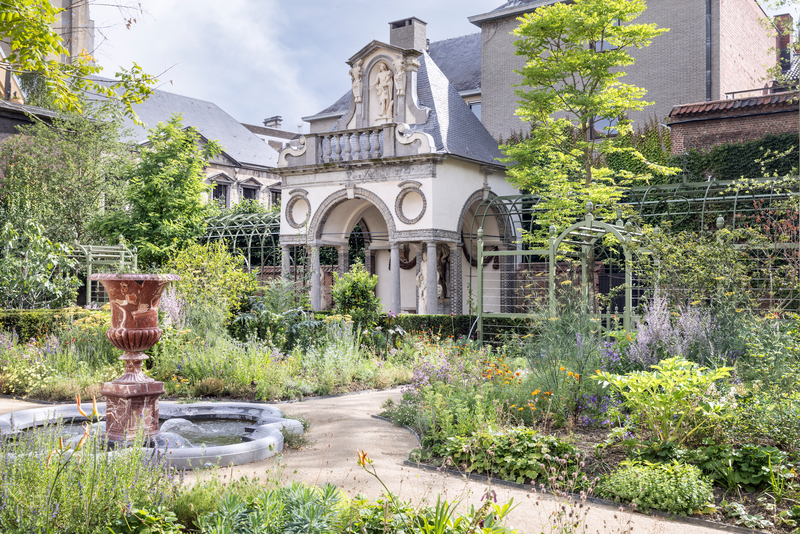
Bring this remarkable meeting to a close in the Baroque garden, where Rubens had a hand in the design. This garden is home to plants that were already blooming in the gardens of Antwerp in his time.  

Tip

Also walk past house no. 54 ‘De Kleine Sint-Arnold’ on the Meir. This is where Rubens’ mother lived with her children from 1587 to 1601. The inscription on the façade - translated from Latin - reads: ‘1567. In this house lived the illustrious Jan Rubens and Maria Pypelinckx, parents. Rebuilt 1854’.  

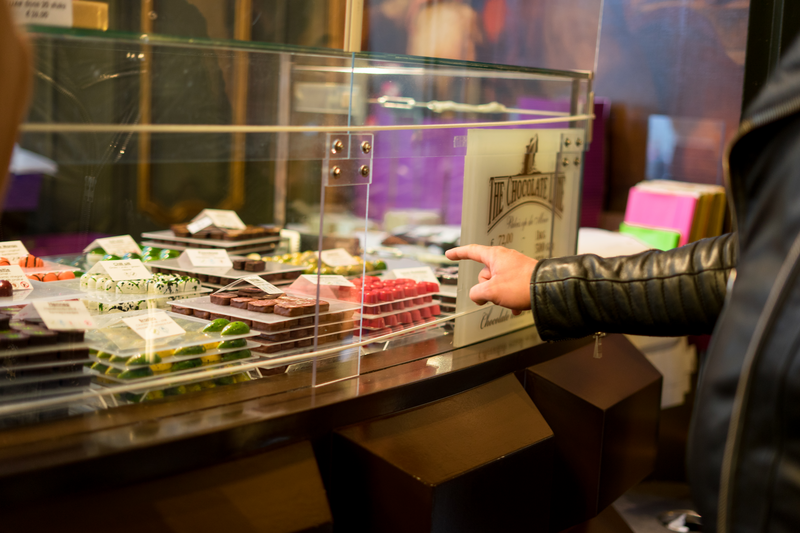
Fancy something sweet? Nearby you will find the Palace on the Meir, home to The Chocolate Line. Here you are welcome to treat yourself to the delicious chocolates of master chocolatier Dominique Persoone. 

A historic garden with lush greenery surrounds an ornate building with arches and sculptures. A stone path leads to a central fountain, creating a serene atmosphere.
Ornate, historic building with elaborate decorations and large windows on a busy street. Shoppers walk past brands like Pull & Bear. A lively urban scene.
A person in a leather jacket points at colorful chocolates displayed behind a glass counter, conveying a sense of decision and indulgence.

St Andrew’s Church

In this parish church, Rubens had his two eldest children baptised: Clara-Serena in 1611 and Albert in 1614. But you won’t find any work by the master here. Indeed, in the period after the iconoclasm, when the altars of St Andrew’s were redecorated, Rubens was staying in Italy. As a result, masters such as Otto van Veen and Maerten de Vos took on the commissions. Nevertheless, there is a suspicion that Rubens had a hand in the large altarpiece, which was made just before his departure for Italy by his teacher Otto van Veen: The Martyrdom of Saint Andrew.  

Tip

Rubens’ children were baptised in St Andrew’s church, the master himself received a different sacrament nearby. In 1609, he married Isabella Brant at St Michael’s Abbey. Later, Rubens would create the altarpiece ‘The Adoration of the Magi’ for this abbey. You can admire this work today at the KMSKA. You can view the excavated remains of this monumental abbey during a beautiful walk on the relaid Scheldt quays.

St Andrew’s Church
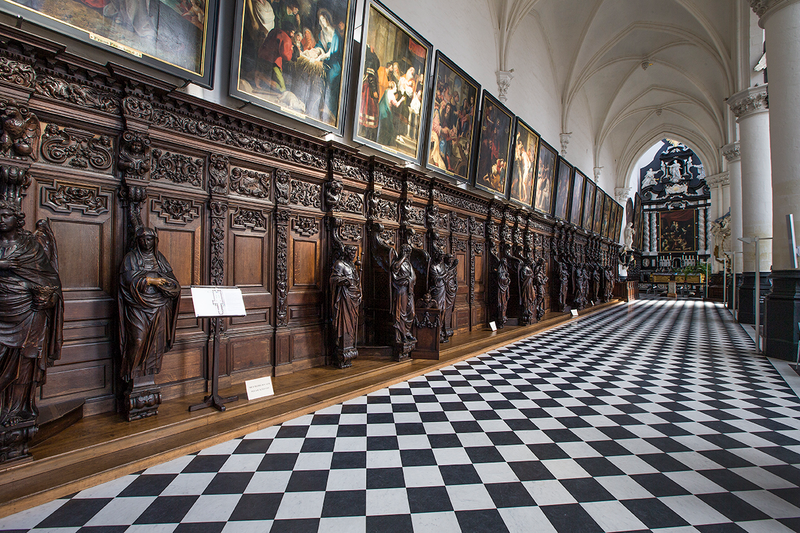
St. Andrew’s Church, Antwerp
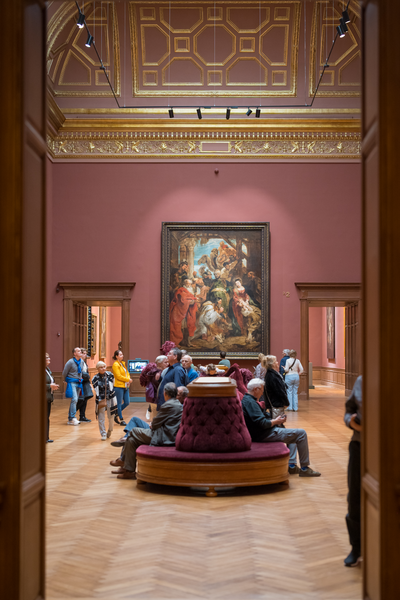
Museum gallery with a large painting on a maroon wall. Visitors are seated on a circular bench and standing, admiring the art. Elegant, historic ambiance.

Museum Plantin-Moretus

This unique museum, declared a World Heritage Site by UNESCO, was once the workshop of the famous printing family Plantin-Moretus. Admire the historic print shop with authentic printing presses and typesetting machines. Discover the secrets of bookbinding and view the impressive collection of old prints.

Rubens’ work can be admired here too. Indeed, he was friends with publisher Balthasar Moretus. The master designed title pages for the books and painted portraits of the Moretus family.

Tip 

Where did Rubens and Moretus met? At school! In their childhood, they attended Latin lessons with Master Rumoldus Verdonck in the cathedral school. Today this building is home to Brasserie Appelmans where you can savour Flemish classics such as beef stew made with Antwerp beer. 

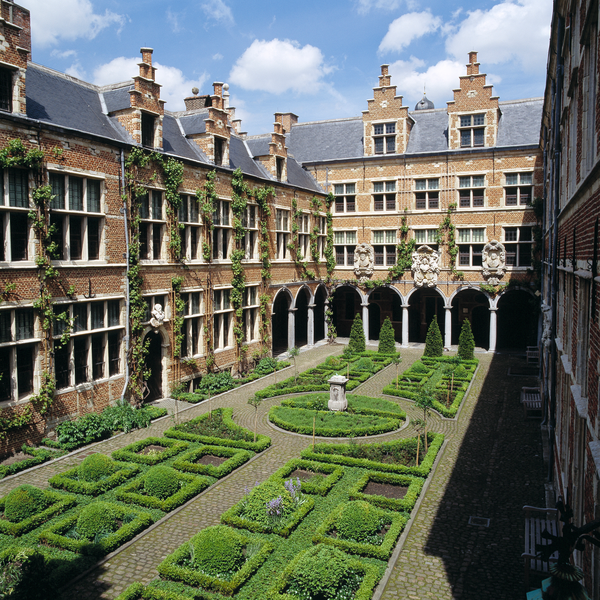
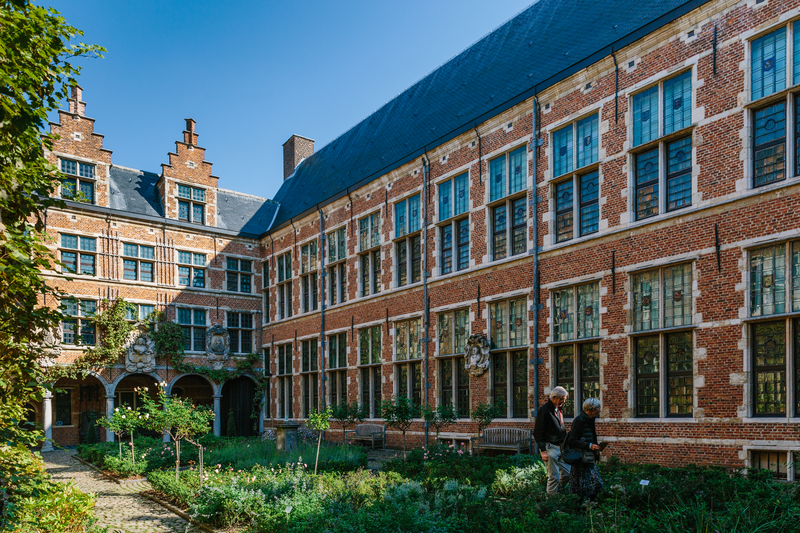
Historic brick building with large windows surrounds a lush garden courtyard under a clear blue sky. Two people converse peacefully nearby.
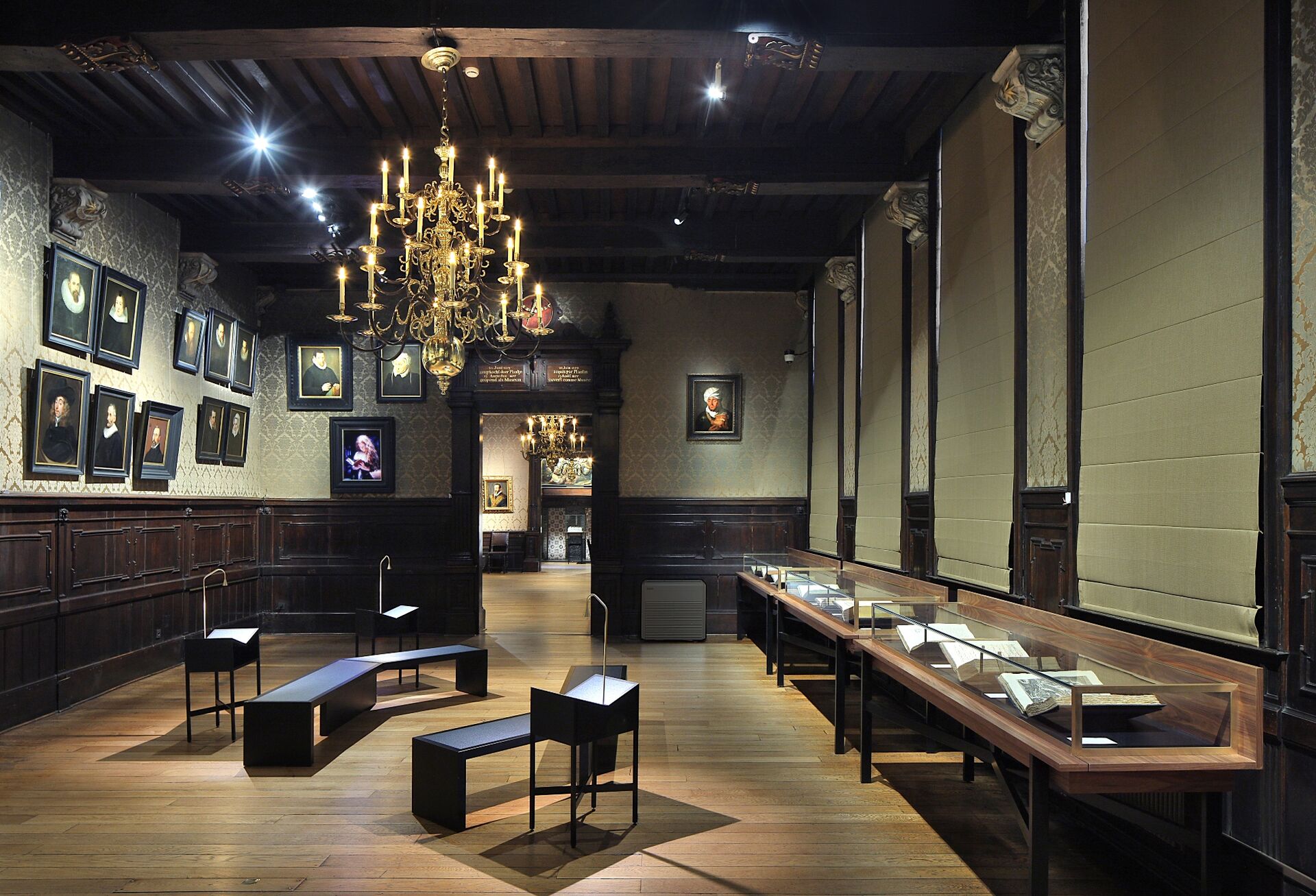
An elegant museum room with dim lighting, featuring framed portraits on the walls, a central chandelier, sleek black seating, and glass display cases on the right.

Cathedral of Our Lady

The Cathedral of Our Lady, Antwerp’s icon, towers high above the city. This Gothic cathedral, with its famous Tower of Our Lady, has been the symbol of the city for centuries. Inside, you will discover a wealth of art, including no fewer than four masterpieces by Rubens.

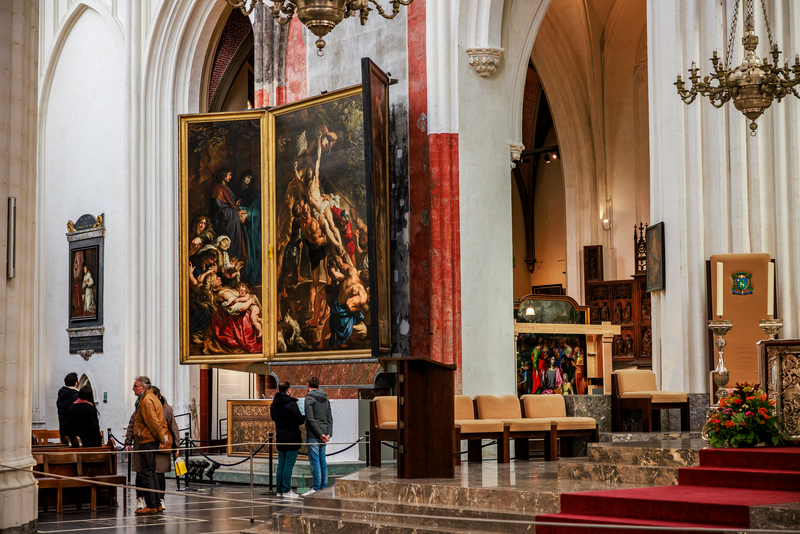
The Elevation of the Cross, The Descent from the Cross and the painting above the high altar, Assumption of the Virgin together offer an overview of the development of his style - from fierce, dark drama to graceful loveliness. The Chapel of Our Lady of Peace houses a fourth Rubens: the triptych depicting The Resurrection of Christ, which he painted for the tomb of Jan Moretus and Martina Plantijn, the successors of Antwerp printer Christopher Plantijn.

Tip 

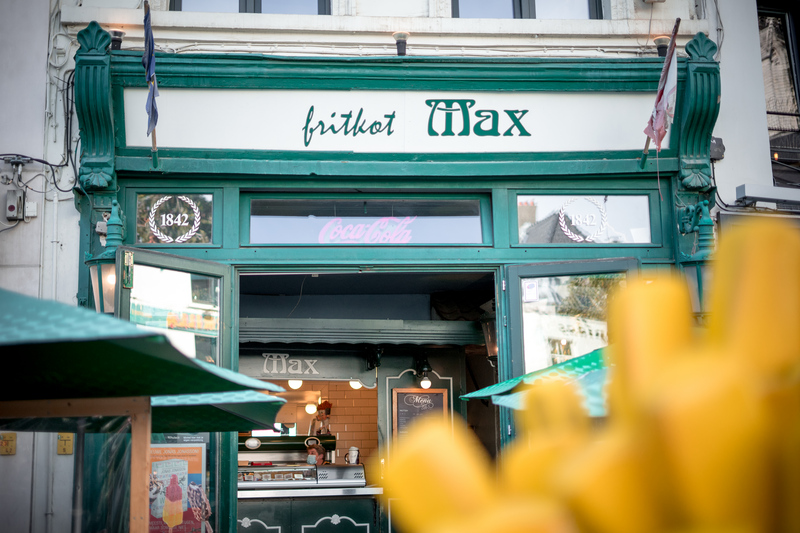
Rubens’ statue is nearby, on Groenplaats in Antwerp. There you will also find the famous Antwerp chip shop Fritkot Max. So those who are hungry can enjoy a portion of fries under the approving eye of the Flemish Master.

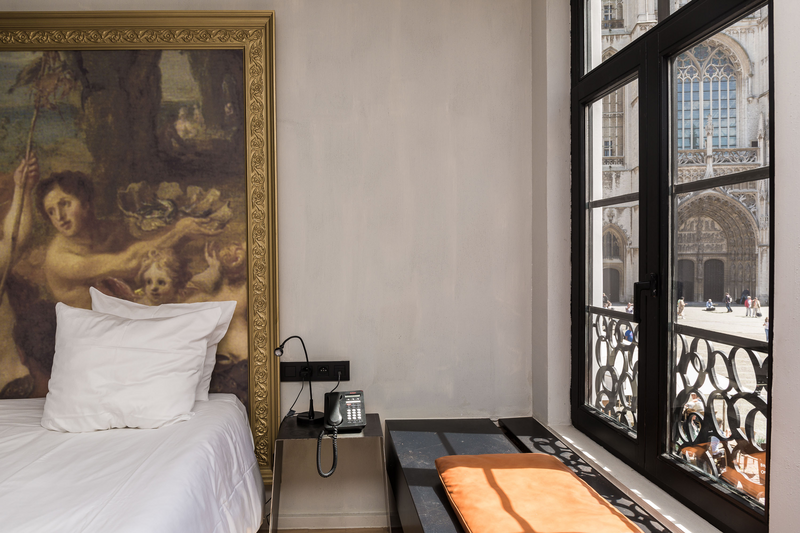
Fancy spending the night in a Rubens-themed atmosphere? Wend your way to Hotel O Kathedral. Here you sleep in rooms decorated with fragments from works by Rubens. Highly recommended if you want to complete this tour in several stages. 

A spacious cathedral interior featuring a large multi-panel painting depicting a dramatic religious scene. Visitors observe it, surrounded by ornate architecture.
Green storefront of "Fritkot Max" with vintage design, surrounded by flags. Bright yellow blurred object in foreground, possibly fries. Inviting ambiance.
Hotel room with a large classic painting above a bed with white pillows. A window shows a view of a plaza with people and a historic building.

St Paul’s Church

St Paul’s Church overwhelms you with an abundance of art and history. This impressive building, with its mix of Gothic and Baroque, is a work of art in itself.

Several Flemish Masters can be seen with their very best work in this church. These include The Flagellation of Christ by Rubens.  

St Paul’s Church will be restored in 2025. Some works are temporarily not on display as a result. For The Flagellation of Christ, this is fortunately not the case.  

Tip

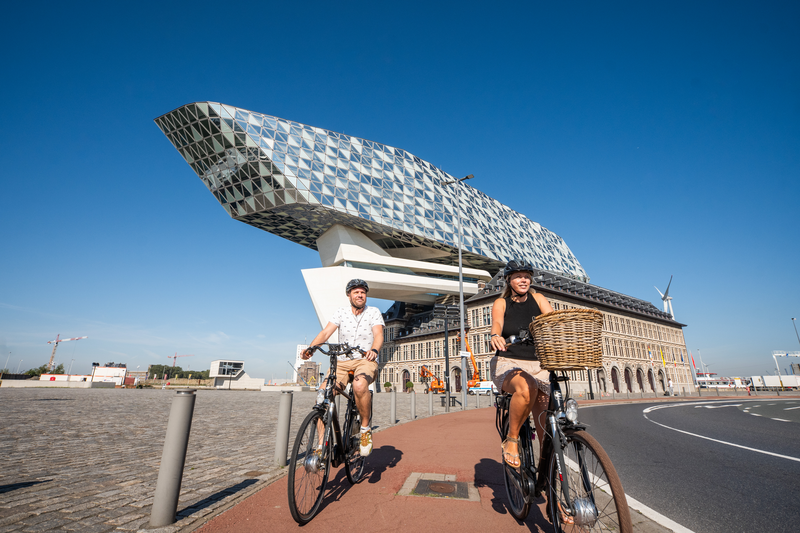
Want to see even more of Antwerp? The Flanders’ Finest Antwerp highlights route passes by St Paul’s Church. This bicycle tour takes you from the city centre to the most beautiful spots outside the city centre. Rent bicycles at Central Station from Blue Bike, Cyclant or Group Intro. You’ll also find Velo Antwerp’s shared bikes all over the city.  

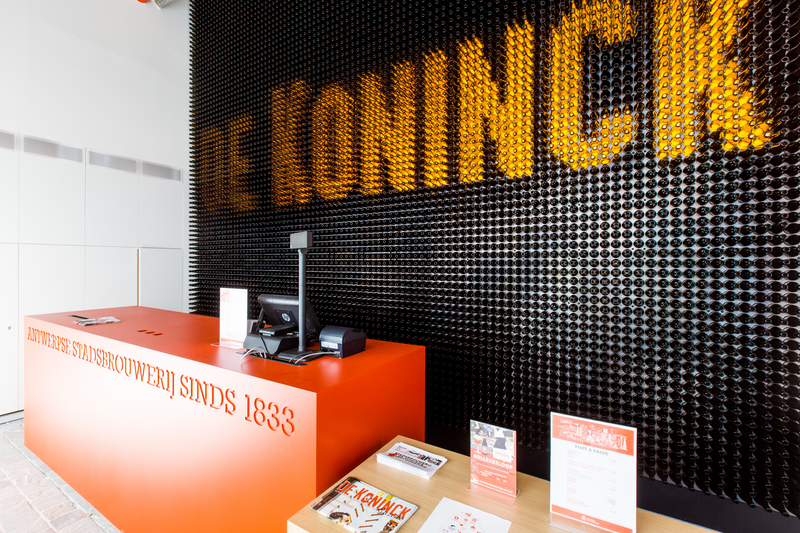
Thirsty from all that pedalling? Along the way, you pass not one but two breweries! The Antwerp Brewing Company is known for its Seef beer and at Brewery De Koninck you can opt for Antwerp classics such as Bolleke and Tripel d’Anvers. In both breweries you are also welcome to take a tour. 

Two cyclists ride past Antwerp’s modern, angular Port House, a striking glass structure. The clear blue sky creates a vibrant backdrop.
A reception area with a bright orange desk features the words “ANTWERPSE STADSBROUWERIJ SINDS 1833.” Behind it, rows of bottles spell out “DE KONINCK.”

St Charles Borromeo Church

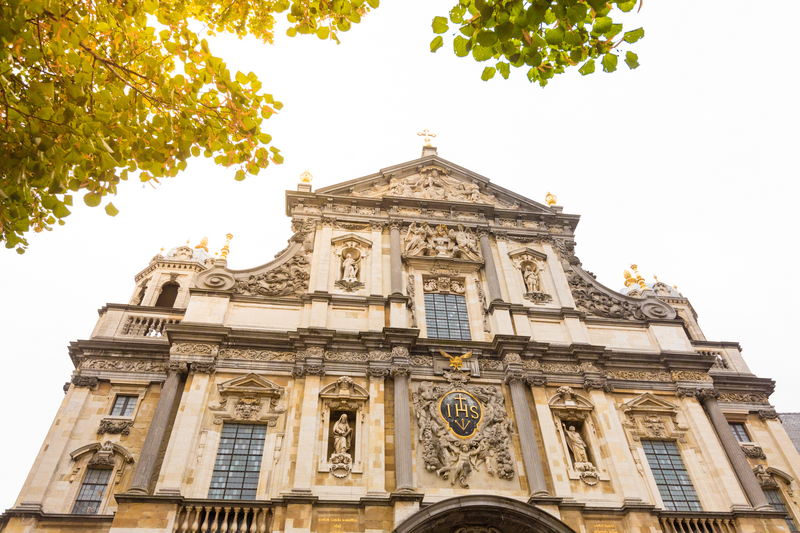
“Heaven on earth”, Antwerp residents called this triumphant Baroque church, with its lavish front façade, refined interior and sublime Rubens chapel. Also to admire here is The Return of the Holy Family, the masterpiece that Nicolaas Rockox – mayor of the city and personal friend of the painter – donated to the church in 1620.  

Tip

Rubens was also an avid art collector. For example, he was the lucky owner of a Quinten Matsijs from 1514. Near the St Charles Borromeo Church is Antwerp’s oldest café, named after the painter. You are welcome in ‘the Quinten’ for a refreshing pint and a quick bite to eat.

Nearby you’ll also find Hotel Flora, a beautiful boutique hotel located in a number of adjoining old houses. These places were once inhabited by wealthy merchants and prominent families, including, indeed: the Moretus family. 
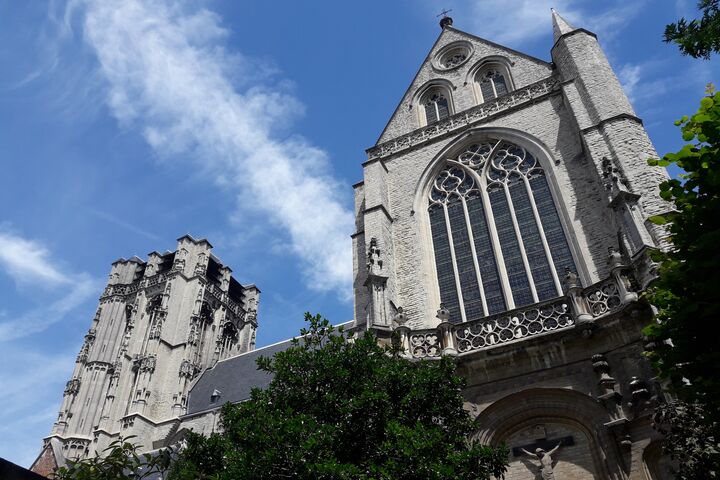
Facade of a historical Baroque church with ornate statues and detailed carvings. Sunlight filters through green tree leaves, creating a serene atmosphere.
A charming European cobblestone street with a classic café. Display boards and art adorn the café exterior. People sit at tables, conveying a relaxed atmosphere.

St James’ Church

Rubens found his final resting place in this Gothic church. The marble decoration, the 24 altars and the rich art treasures make your visit more than worthwhile. The pilgrims to Santiago de Compostella think so too, because St James’s Church is a regular stop on their way.

In the altar of Rubens’ burial chapel, you can admire his Madonna Adored by Saints. At his express wish, this work was given a place in his future burial chapel. You will also find the statue Our Lady of Sorrows by Lucas Faydherbe, a favourite pupil of Rubens.

The Rubens Chapel is currently being restored and is not accessible to visitors. The reopening is planned for the first quarter of 2026.  

Tip

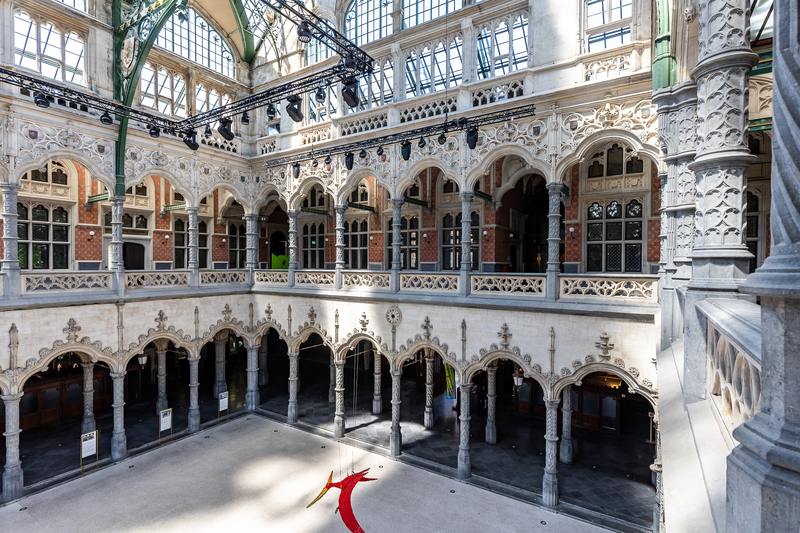
Rubens was also an excellent businessman. And doing business took place in 16th-century Antwerp at the Handelsbeurs. Today, the magnificent building houses the elegant restaurant Fiera.  

Would you also like an elegant overnight stay? Then you are welcome at Sapphire House. The name of this beautiful hotel is a reference to Antwerp’s rich history as the diamond capital of the world. 

Even more inspiration for a fascinating programme
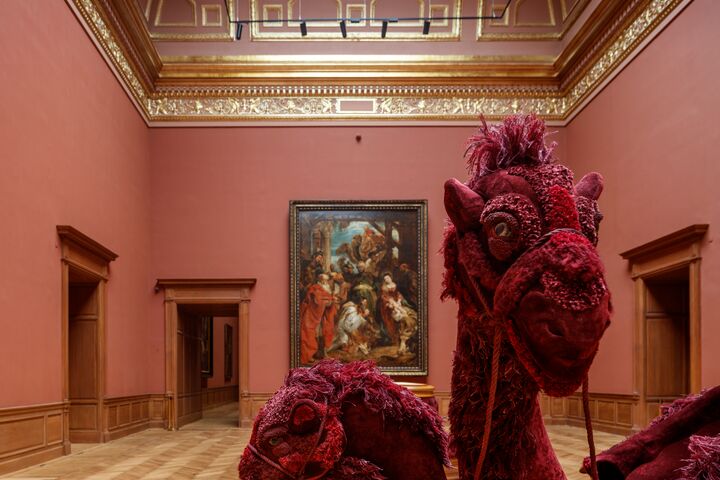
Exhibit room with red walls and ornate gold trim, featuring a large classical painting. Foreground shows a detailed, textured red camel sculpture.

KMSKA

There are more works by Rubens in the Royal Museum of Fine Arts in Antwerp. The highlight is the gigantic altarpiece Enthroned Madonna Adored by Saints, which is currently being restored. The painting is so large that the meticulous work has to be done in the room itself. Studio Rubens - as the restoration is called - offers you a unique and extraordinary opportunity to follow this feat from the front row. 

St Augustine Church

St Augustine Church

The gigantic Enthroned Madonna Adored by Saints originally hung in this St Augustine church. Now you find above all other Flemish Masters there. Thanks to sublime copies, you can get a taste of their works in the original place. 
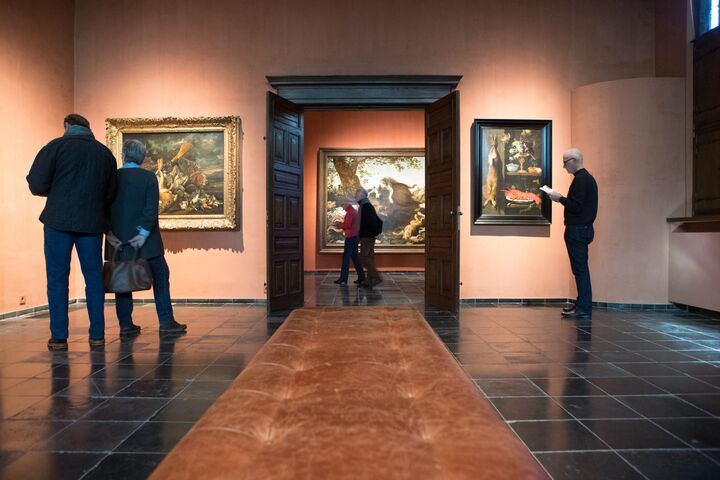
 

A serene art gallery with visitors observing classic paintings. Warm, muted lighting and a central leather bench create a contemplative atmosphere.

Snijders&Rockox House

Nicolaas Rockox, mayor of the city and personal friend of Rubens, was the neighbour of Frans Snijders, painter of animals and still lifes, for 20 years. Their adjoining homes now form a wonderful museum: the Snijders&Rockox House. For this residence, Rubens created numerous works, which were gifted after the mayor’s death. Today, Christ on the cross and Mary in adoration before the sleeping Jesus child have returned, so you can admire these works in their original places. 

A sunlit street with lush green trees lining the sidewalk, bicycles parked, cars in the distance, and a tall church spire in the background. Peaceful ambiance.

St Anthony’s Church

With a small diversion, you reach St Anthony’s Church. This neo-Gothic parish church saw the light of day at the beginning of the 20th century in the university district, on the site of a former Capuchin convent. In front of the convent church, Rubens’ studio assistants painted Saint Francis of Assisi receiving the Christ Child from Mary. The work was taken to Paris in 1794 and did not return to Antwerp until 1815. You can also admire other masters - such as Erasmus II Quellinus, Jordaans and van Dyck - in this church. 

A tall, historic church with a pointed spire stands in a tree-lined square. A playground play structure is in the foreground, with a few cars parked nearby.

St Willibrord Church

Are you a Rubens fan forever and a day? Then take the tram to St Willibrord Church, built between 1886 and 1891 in neo-Gothic style. Here you will find St Willibrord in veneration of Mary, Mother of God. Rubens painted this work for the parish in around 1631. 

Rubens in situ outside Antwerp
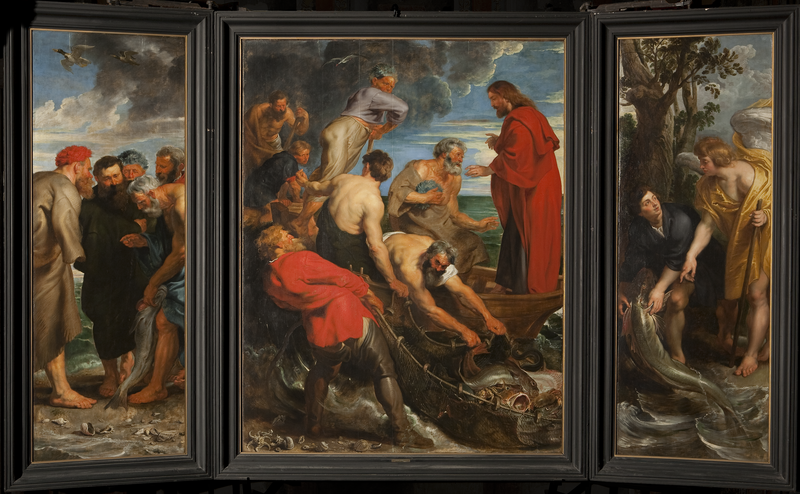
Still in the mood for a bit more Rubens? Then take the train south. In Mechelen, you will find The Adoration of the Magi in St John’s Church. At the Church of Our-Lady-across-the-Dyle, you can admire The Miraculous Draught of Fishes. 

A triptych artwork depicts a coastal scene with men fishing. The center panel shows a man in red guiding the others. Dramatic clouds and dynamic figures create tension.
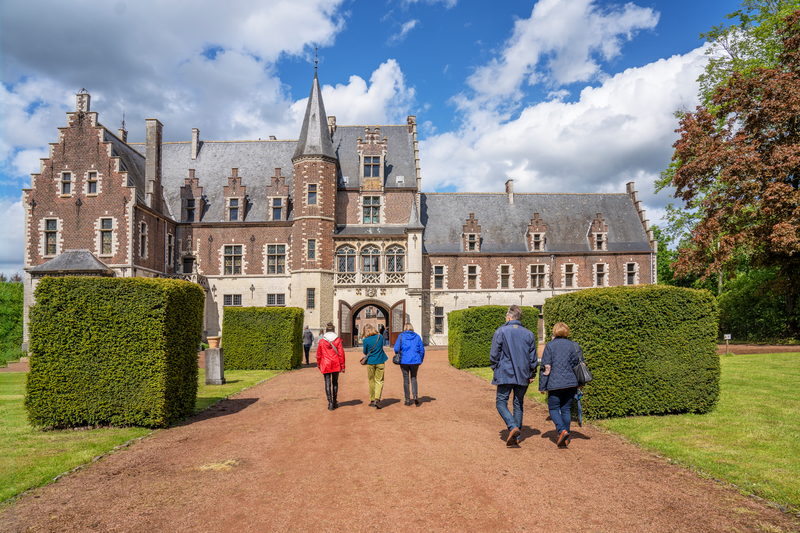
A group of five people walks toward a large historic castle with steep gables and a central tower. The scene is bright, with lush greenery and a partly cloudy sky.

Somewhere between Mechelen and Brussels stands the idyllic Rubens Castle, the artist’s personal country retreat. This opulent retreat is currently being restored. But it is definitely worth visiting the estate and walking in Rubens’ footsteps.
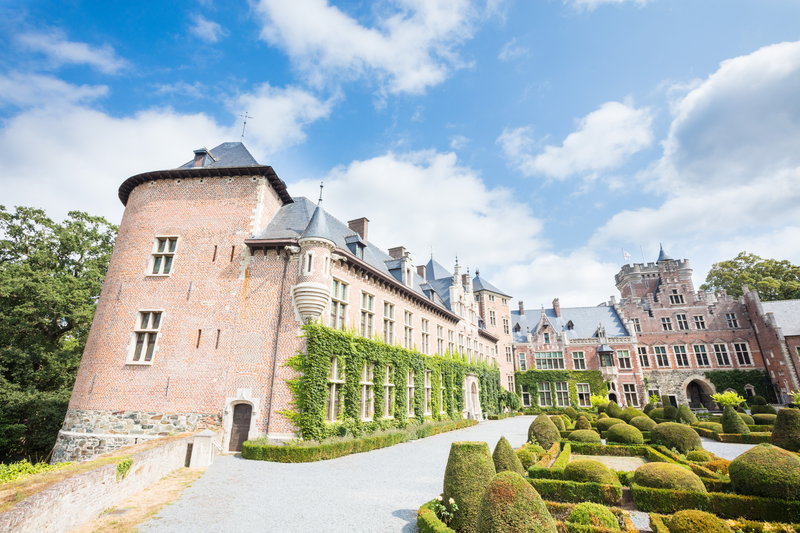
Historic brick castle with ivy-covered walls, detailed turrets, and a manicured garden under a partly cloudy blue sky, conveying a serene atmosphere.

Outside Brussels, you will find a second castle with a link to Rubens. The archive room of the beautiful Gaasbeek Castle exhibits his will and marriage contract. Be sure to stop by David Seghers’ masterpiece, who painted in the style of Rubens and Caravaggio. 
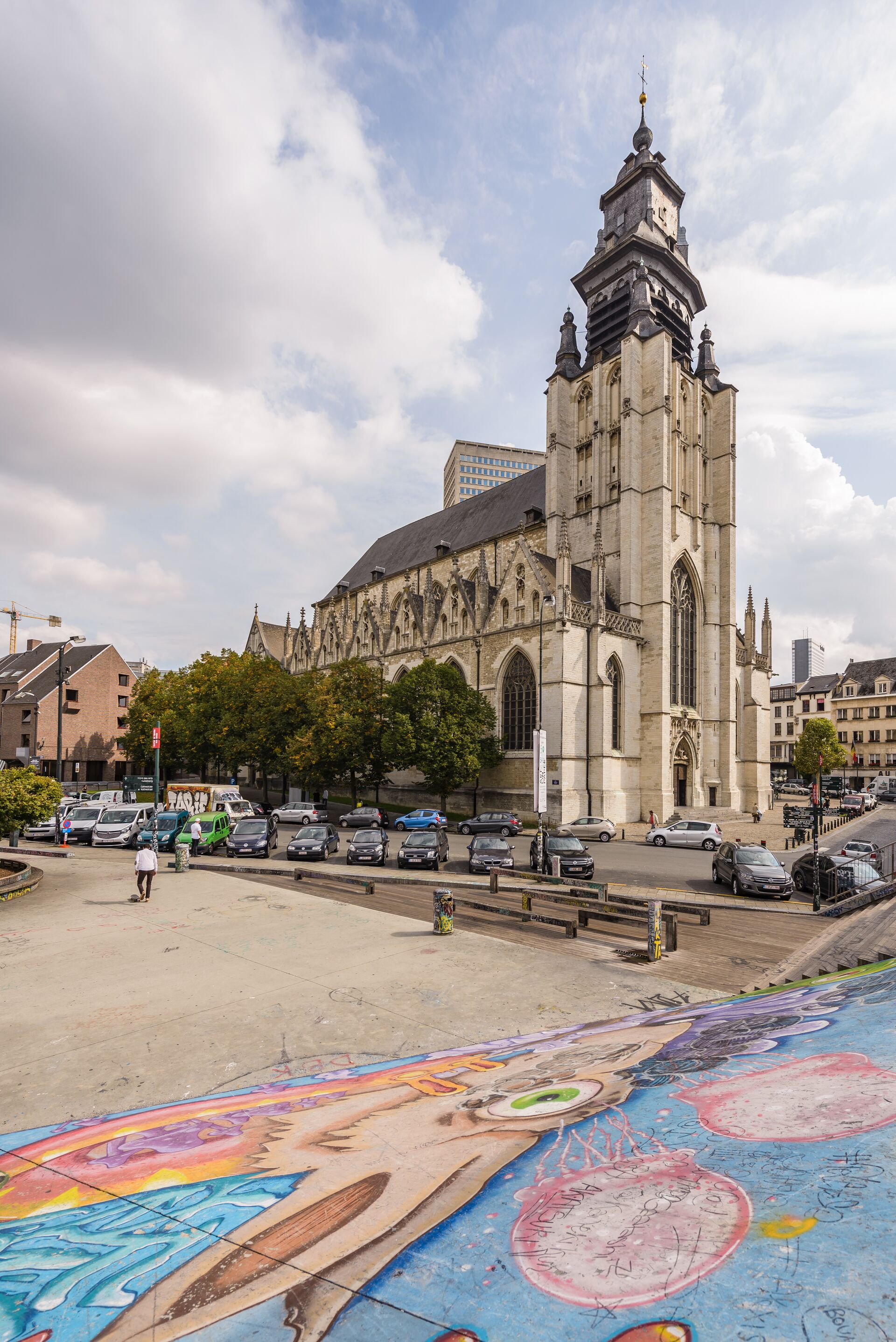
Travel on to Brussels, and enter the Church of Our Lady of the Chapel to see 'Christ hands over the keys to Saint Peter'. This masterful copy was made based on the original painting, which Rubens painted for this site. 

A historic Gothic church with a tall bell tower stands under a partly cloudy sky. In the foreground, vibrant street art decorates a skatepark area.

At St Bavo's Cathedral in Ghent, you can also admire a beautiful work by Peter Paul Rubens: The Conversion of St Bavo, also known as The Entry of St Bavo (1624). 
 

A dramatic, detailed painting shows a bishop and figures on stairs. Emotions of charity and need are conveyed with rich colors and expressive gestures.

Hidden Flemish Masters put on the map

Pick up the printed map “Master Tour Peter Paul Rubens” at the Tourism Info Office and at some locations along the trail.

A collection of various maps and brochures partially spread out on a white surface, conveying exploration and travel planning in a neat, organized manner.