St Peter’s Church

A mysterious creature with horns and green hands peeks out from under a figure's black and white robe, conveying a surreal and eerie tone.

Discover how the masterful hands of Dieric Bouts transformed religious narratives into vivid scenes in St Peter’s Church in Leuven, creating art of the highest order. If the torture of Saint Erasmus becomes too much for you, it only requires a small step to look at another masterpiece.


St Peter’s Church

A Romanesque church once stood at this location. Construction of the present Gothic church began in the 15th century, involving the renowned architects Sulpitius van Vorst and Jan Keldermans II. This religious institution played a crucial role in the history of the city of Leuven. Ambitious plans to enhance the church with three towers were never completed due to financial and construction problems. In fact, a (partial) collapse occurred in 1570 and the great west tower was never finished after that. In 1980 the church’s imposing ambulatory was converted into a museum and in 2009 it was named the M-Treasury of Saint Peter.


Gothic cathedral interior with tall arches, ornate carvings, and a vaulted ceiling. People in period clothing are scattered throughout, creating a serene, reverent atmosphere.
A robed figure in red and white stands outdoors, holding a cross-topped staff and book, with a calm lion nearby. The scene conveys serenity and reverence.

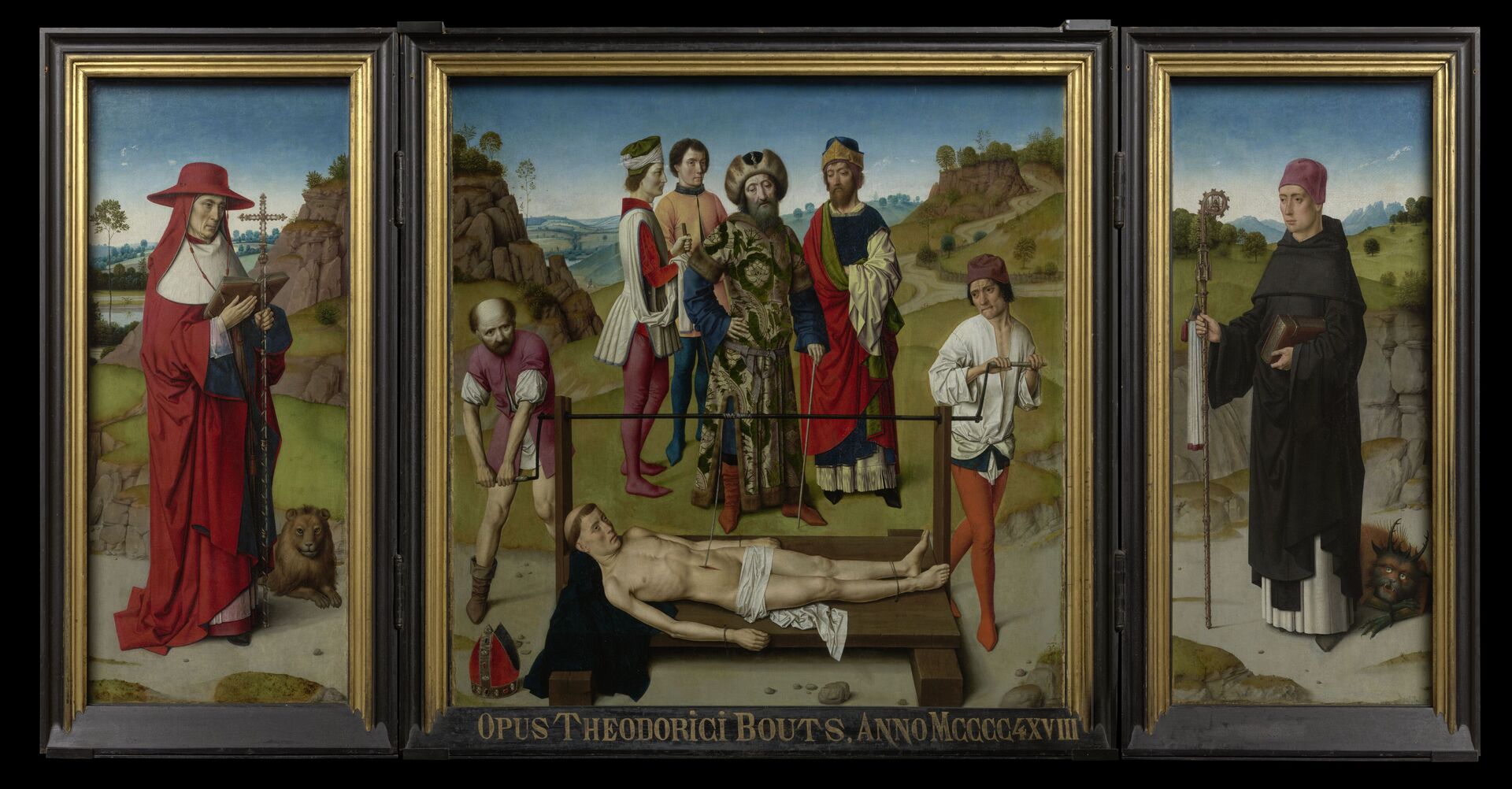
Triptych of the Martyrdom of Saint Erasmus, Dieric Bouts

Dieric Bouts completed the Triptych of the Martyrdom of Saint Erasmus around 1460. It focuses on Erasmus, the third century bishop of Antioch, who became a victim of the persecution of Christians and was tortured to death by the Romans. According to legend, an angel managed to free him and he travelled to Italy in a boat. During the trip he ran into a storm and the ship caught fire with blue flames. Erasmus was able to contain the flames and was declared the patron saint of sailors. In effigies, he was shown with a windlass wrapped in ship's rope as an attribute. Although this was meant to symbolize his sea voyage, people interpreted it as a torture device. Bouts painted the windlass as a torture device to remove the intestines from the stomach of Erasmus whilst he was still alive. Not a single drop of blood is spilled. The executioners, judges, saints and the victim look on unfazed. The richly coloured landscapes in the background momentarily distract from the horrors taking place.

A monk in a black robe and pink cap holds a staff and book, standing against a rocky landscape. A mystical creature peeks from behind him. Calm, historical.
Alt text: "Triptych painting by Dieric Bouts depicting the martyrdom of St. Erasmus. The central panel shows a group of men with a reclining figure undergoing torture. The side panels feature two saints: the left shows a red-clad figure with a lion, and t
Thirteen men in robes gather around a table for a meal. The setting is a detailed medieval room with high ceilings, arched windows, a chandelier, and paintings on the walls.

Altarpiece of the Holy Sacrament, Dieric Bouts

The Altarpiece of the Holy Sacrament, better known as The Last Supper, is considered a landmark painting of the Low Countries. The triptych remains in St Peter’s Church to this day, the location Dieric Bouts originally painted it for. After being commissioned by the Brotherhood of the Holy Sacrament in 1464 he worked on this masterpiece for four years. The central panel depicts the Last Supper with Jesus and his apostles. The four side panels show stories from the Old Testament. Bouts was the first painter to depict the Last Supper on such a monumental scale. The work is testimony to his impressive knowledge and mastery of the rules of perspective. A true Masterpiece!

A detailed triptych painting features the Last Supper at its center, with Jesus and the apostles seated around a table. Surrounding panels depict vibrant biblical scenes, including a resurrection, a gathering outside, and an angel appearing to a sleeping figure.
Triptiek met het Laatste Avondmaal - Dieric Bouts

Nobleman triptych, follower of Rogier van der Weyden

Around 1435, Rogier van der Weyden painted his world famous Descent from the Cross for the Chapel of Our Lady of Ginderbuyten, located near what is Tiensepoort today. Nowadays it can be admired at the Prado in Madrid. Van der Weyden painted ten figures imbued with a subdued but powerful sadness set against a background of gold. The bodies of Mary and Jesus seem like mirror images. The profound influence of the Descent from the Cross is demonstrated by the many copies that quickly followed. One of the oldest known copies is the Nobleman’s Triptych dating back to 1443. It was probably created when a Leuven painter was commissioned by Willem Edelheere, a patrician based in Leuven. The work was meant for the altar of his family’s burial chapel in St Peter's Church, where it can be admired today.

A triptych depicts the crucifixion. Center: Jesus's lifeless body is lowered. Left and right panels show mourners in somber attire, conveying grief.

Triumphal Cross Ensemble, Atelier of Jan Borman II

This oak triumphal cross is a Brabant late Gothic masterpiece originating from the Brussels atelier of the famous woodcarver Jan Borman II (circa 1460-1520). It dates back to post 1488, the year the rood screen on which the cross rests was installed. This location is typical for triumphal crosses, which mark the boundary between the chancel with the main altar and the nave where the faithful sit. The ensemble attracts attention because of its imposing appearance. The images of the crucified Christ, John and Mary are highly expressive and realistically rendered, with an eye for minute detail. The composition is symmetrical and balanced. The work had a major influence on Brabant sculpture around 1500.

Interior of a Gothic cathedral featuring an ornate crucifix. Tall arched windows, intricate carvings, statues of Mary and saints evoke reverence and awe.
Two silver statues on gold bases depict robed figures holding swords. Each stands with a solemn expression, exuding a sense of dignity and reverence.

Relic sculptures, Jan Wynants

Stunning examples of precious metal art can be admired in the two chapels of the south aisle. It is only a small part of the many hundreds of liturgical and devotional objects the church once possessed. These eight masterful relic statues date back to between the early 16th and early 18th centuries. They were made by silversmiths from Leuven and Brussels. Relics are located in the image or in an attribute. The origin of the images is not always known. We know that the sculpture pair of Peter and Paul was made by the Leuven silversmith Jan Wynants in 1618.

Topstukken

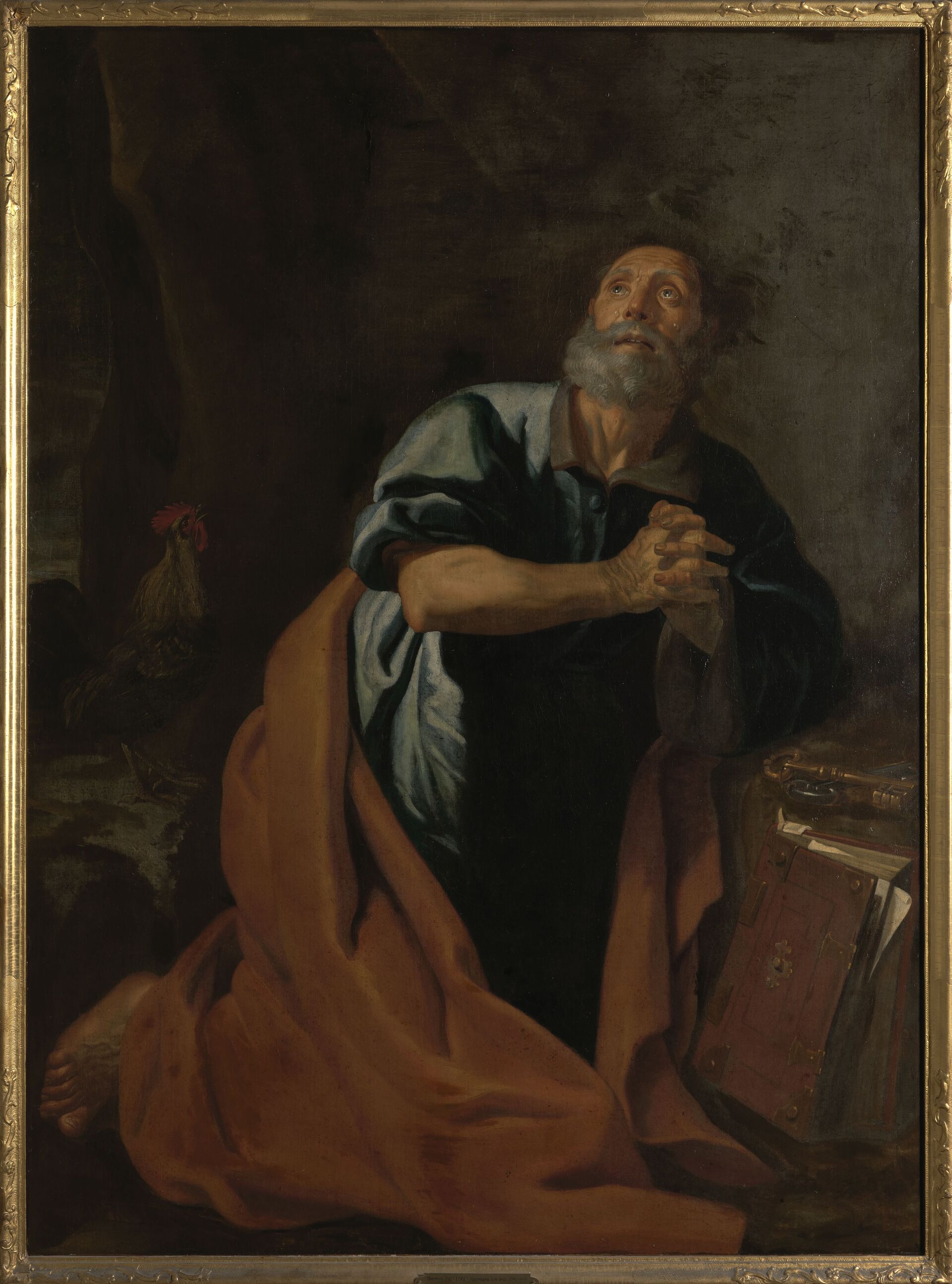
Saint Peter (c. 1600-1649) - Theodore van Loon


An elderly man with a grey beard kneels in prayer, looking up solemnly. He's draped in a blue robe and orange cloak. A rooster is in the dimly lit background, near a book.

The work depicts Saint Peter and is attributed to van Loon.

Practical information

Address

Grote Markt 1
3000 Leuven
Belgium
View directions

Opening hours

  • Between 1 October and 31 March, the church is closed on Wednesdays
  • Open Monday to Saturday from 10 a.m. until 4:30 p.m.
  • Open Sundays and bank holidays from 11 a.m. until 4:30 p.m. 
     

Accessibility

  • Is partially accessible.

More information

Good to know

  • Admission: free
     

Masters of Imagination: out and about in Leuven

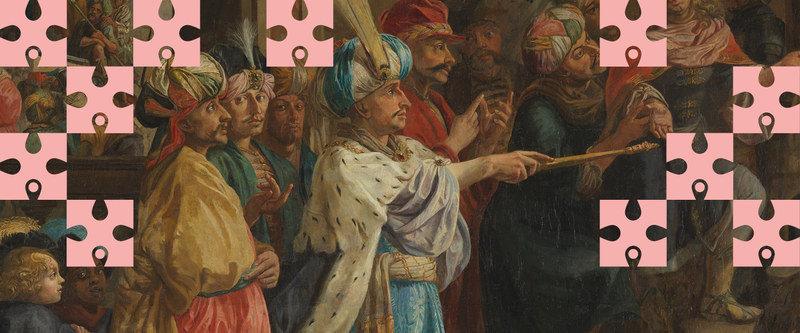
Follow in the footsteps of the legendary Flemish Masters. The Master Tours take you to extraordinary places in Flanders’ cities and towns, all connected by one story.
A classical painting depicts several people in period clothing, engaging in intense discussion. Overlaid are large pink puzzle pieces, partially obscuring the scene.

Other sites nearby

Gothic church interior with ornate wooden choir stalls and high, vaulted ceiling. Sunlight streams through arched windows, illuminating checkered floor.
St Gertrude’s Church’s spire without any nails is considered one of the seven wonders of the city of Leuven. Discover its masterful works of art!
Stone church with a tall spire and arched entrance under a bright blue sky. Trees frame the scene, adding a serene and historical feel to the quaint street.
Recognized by UNESCO as a World Heritage site, the St John the Baptist's Church in Leuven is a must-see for any culture lover.
A historical painting depicts a group of men in robes gathered around a table. At the center is a serene figure with a gentle expression, hands raised in blessing.
St Quentin’s Church is the most beautiful church in Leuven according to the humanist Justus Lipsius. Do pay a visit to admire it and discover The Last Supper