Loppem Castle

Kasteel Loppem (c) Henk Rogiers (1)

Steenbrugsestraat 26, Zedelgem-Loppem

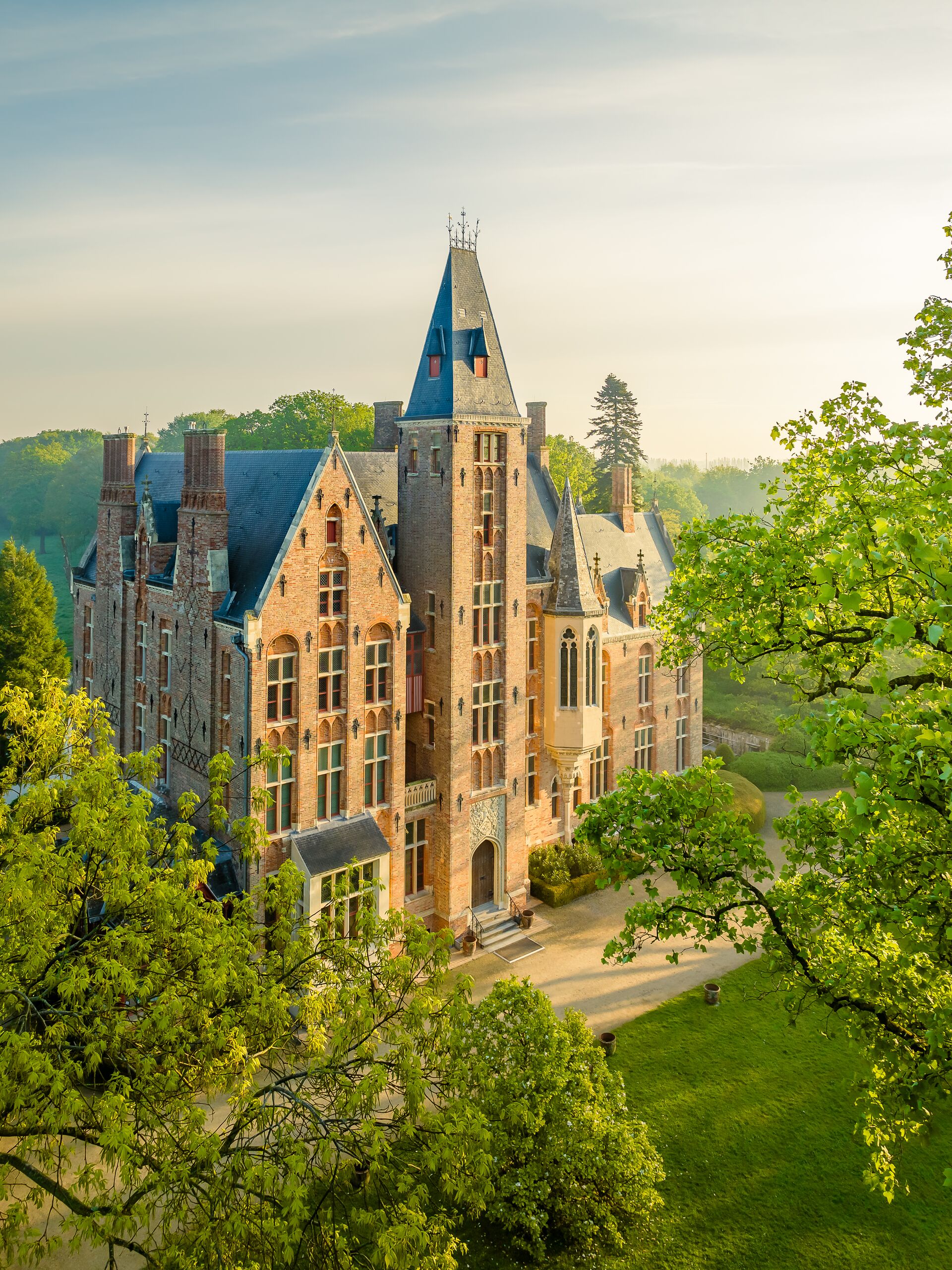
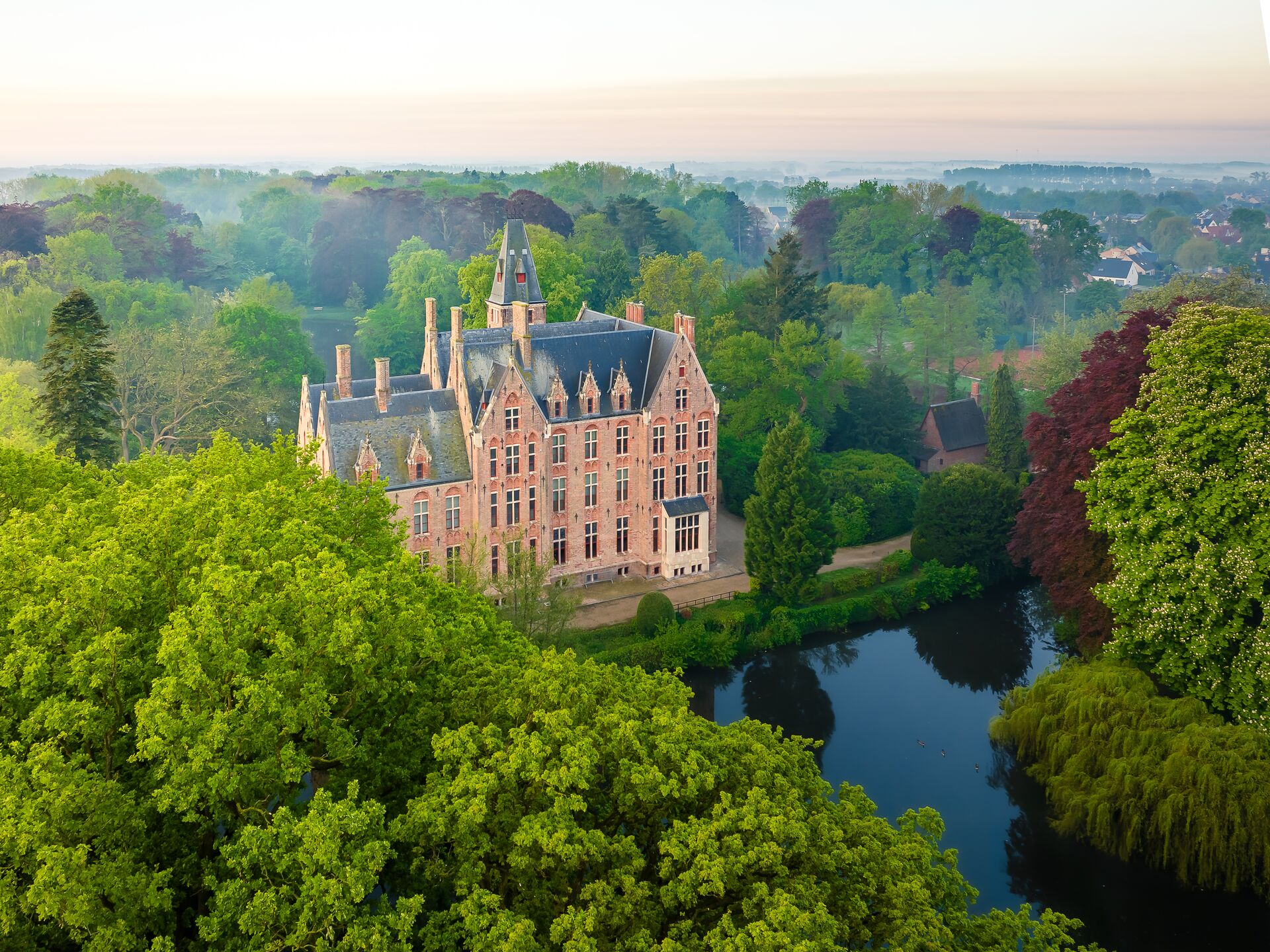
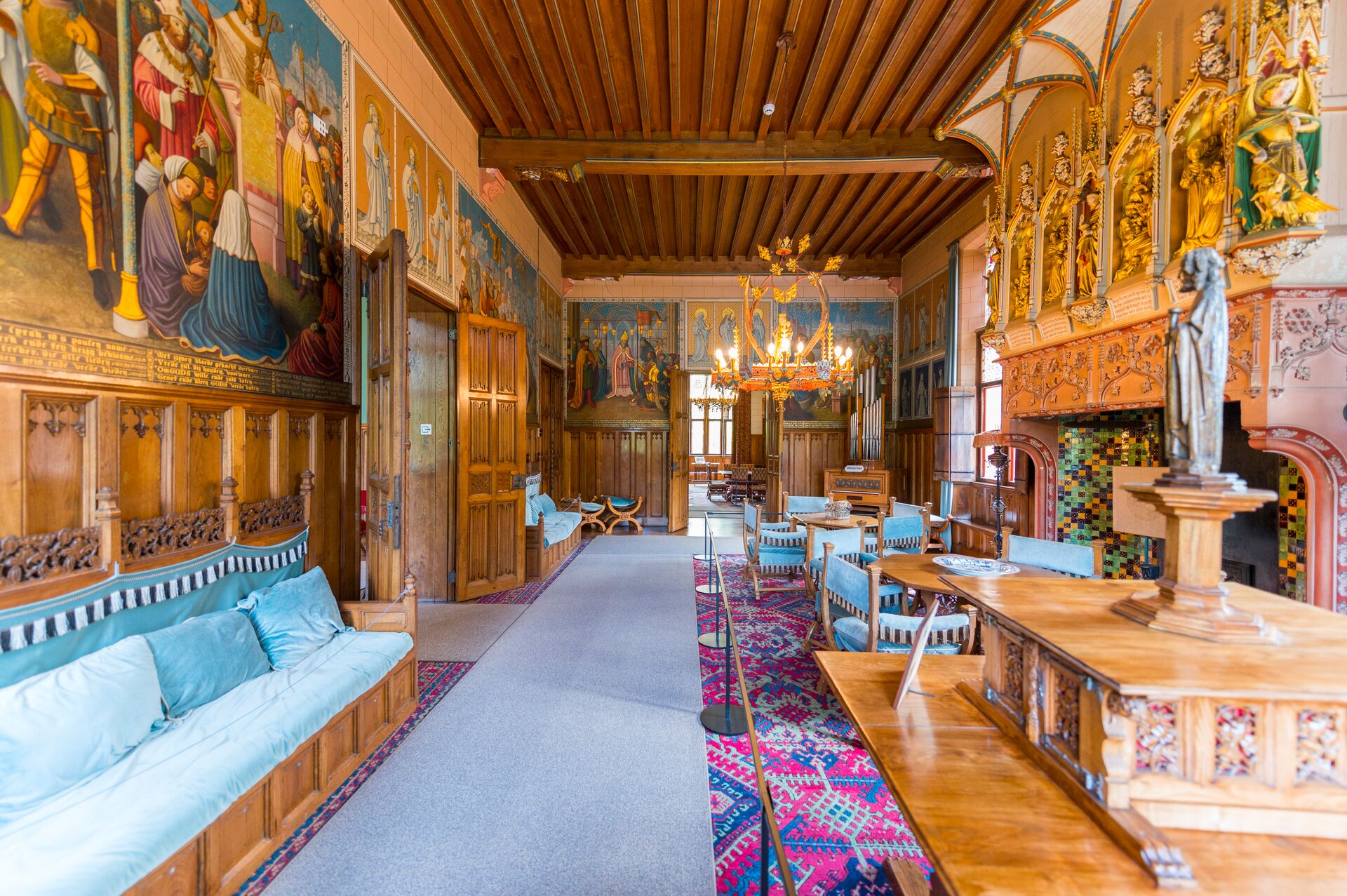
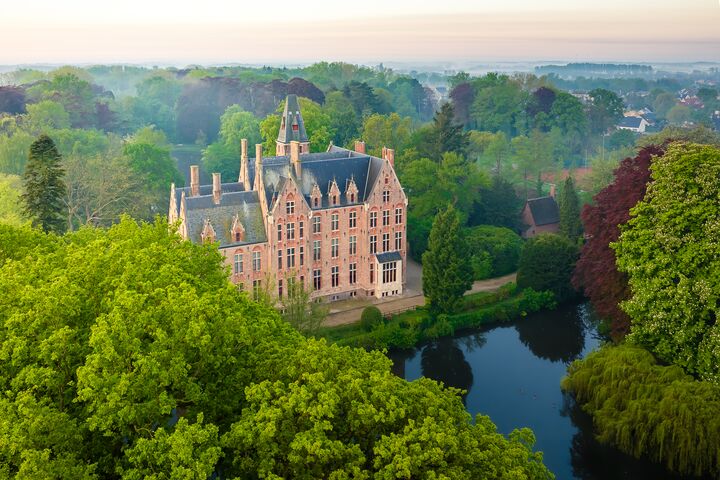
Fancy travelling back in time without first having to invent a time machine. Welcome to Loppem Castle, the only Belgian castle with both its exterior and interior still in the original state. The gardens are magnificent, and inside you will find an incredible art collection.

Loppem Castle

Baron Charles van Caloen built the castle around 1860, and gave a Flemish twist to the period's popular neo-Gothic style. The building was the backdrop in a crucial episode in the fatherland's history. In 1918, the Belgian army used it as their headquarters, and King Albert I and Queen Elisabeth also stayed here.  

The rich art collection was accumulated by Baron Jean van Caloen (1884-1972). As the grandson of the commissioning builder, Charles was an avid collector, with diverse interests, ranging from medieval sculptures and Flemish paintings to stones from Raeren and Westerwald, alabaster from Mechelen, Portuguese ivory, illuminated manuscripts, prints and illustrations.

The castle’s gardens are also worth visiting. Wander through the English-style landscaped gardens or get lost in the 19th-century green maze. And speaking of green: on the site of the castle, there used to be a honey locust tree. Architect Jean-Baptiste Bethune transformed the wood of this tree into an ornate neo-Gothic table, which is on display in the castle. The table is adorned with: Chinese porcelain and old manuscripts. 

Kasteel van Loppem Dronefoto (c) Westtoer (11)

Pieta, lamentation of Christ with the coat of arms of Isabelle van Bourbon

Artists have often depicted Mary’s grief over Christ in various ways, but rarely in this manner. In fact, this stained glass window is designed vertically, with three panels in clear and coloured glass, painted in grisaille and silvery yellow. The remarkable fragment dates back to the period between 1460 and 1470, and is - currently and provisionally - attributed to a pupil of Rogier van der Weyden in Brussels:  Vrancke van der Stockt. 

Piëta (c) Kasteel van Loppem - Stichting van Caloen

Stained glass windows Jean-Baptiste Bethune

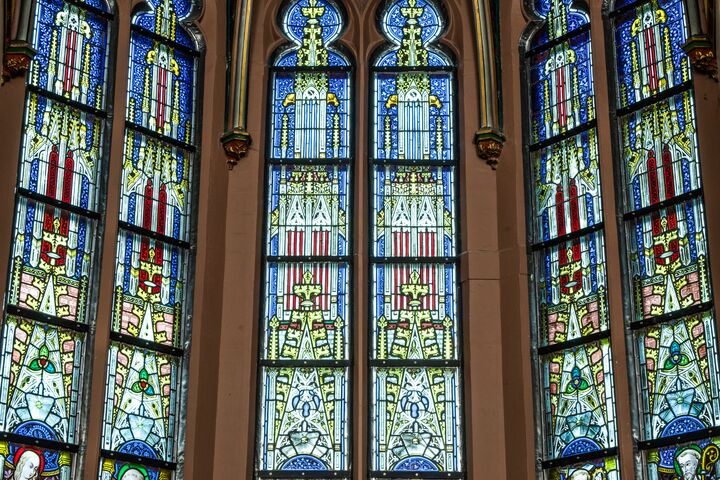
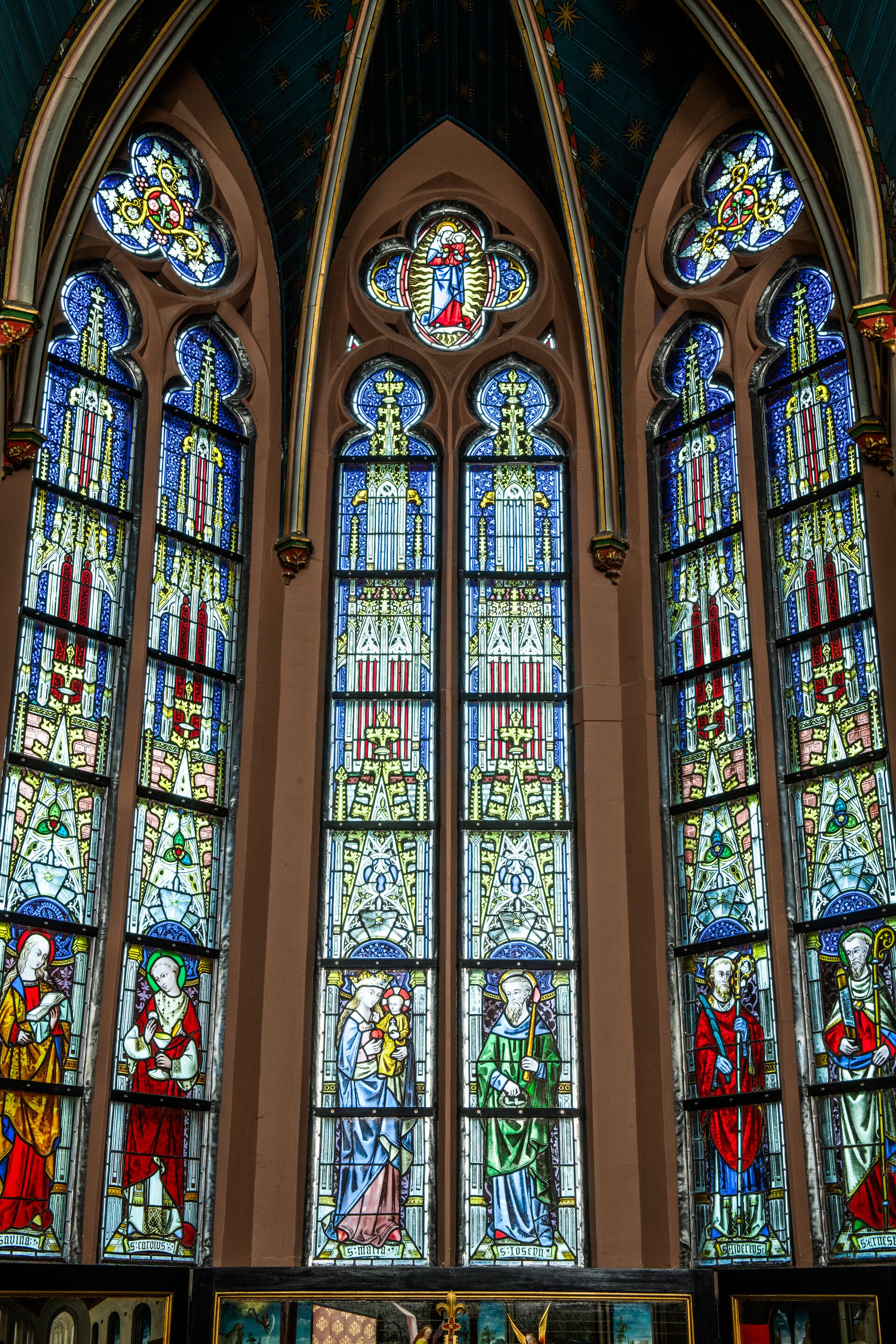
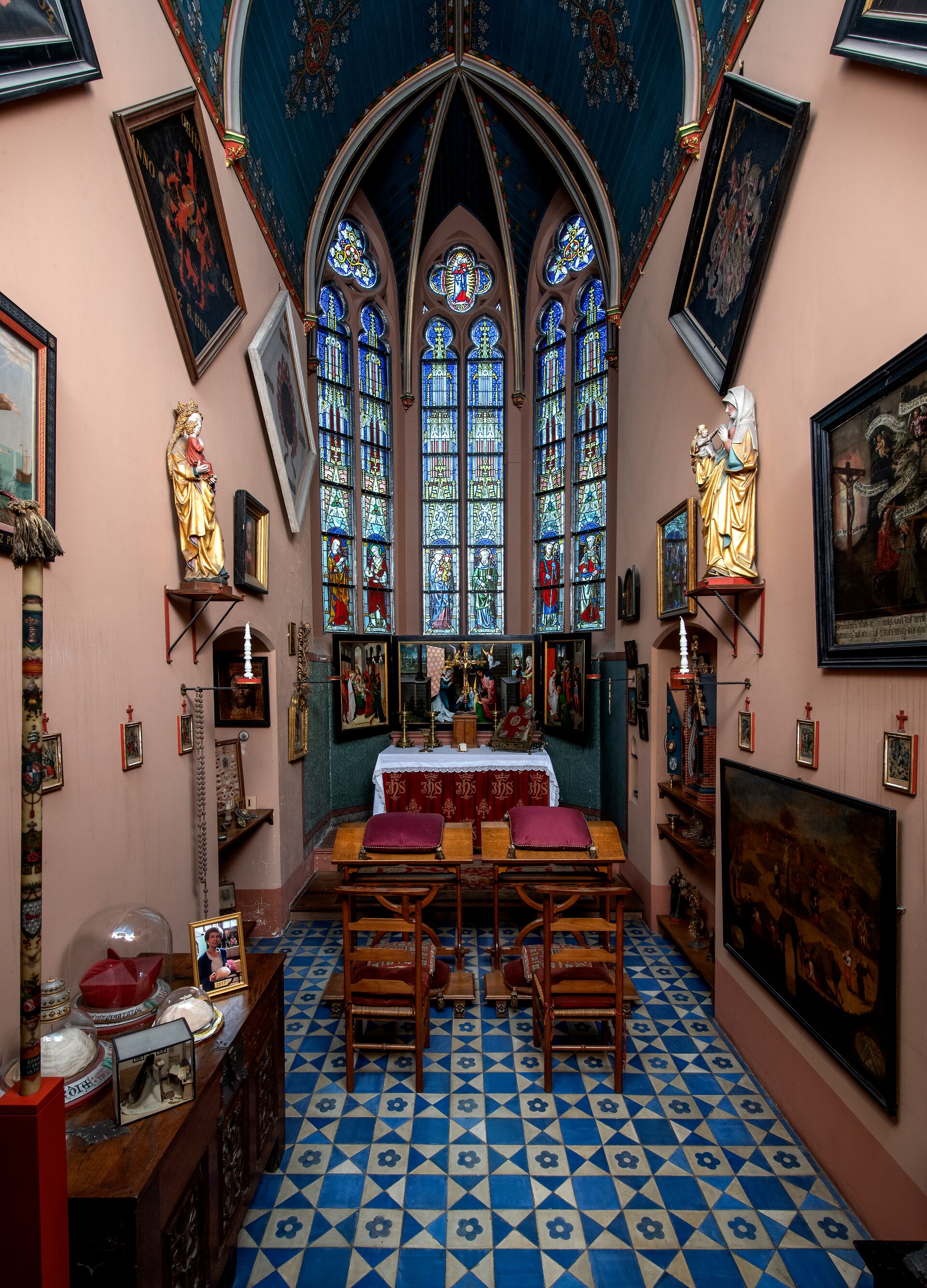
The Caloen family’s chapel is located on the ground floor of the castle. This little gem, reaching two storeys high, was designed entirely by Jean-Baptiste Bethune, as a pioneer in neo-Gothicism in our country. On the stained glass windows, you can spot the patron saints of the family. Now, take a look up. Do you see the gallery for the castle's staff? Raise your gaze even higher and admire the wooden pointed barrel vault ceiling, painted blue and decorated with religious motifs.  

Kasteel_van_Loppem-Stichting_Jean_van_Caloen_kapel_St._van_Caloen_001

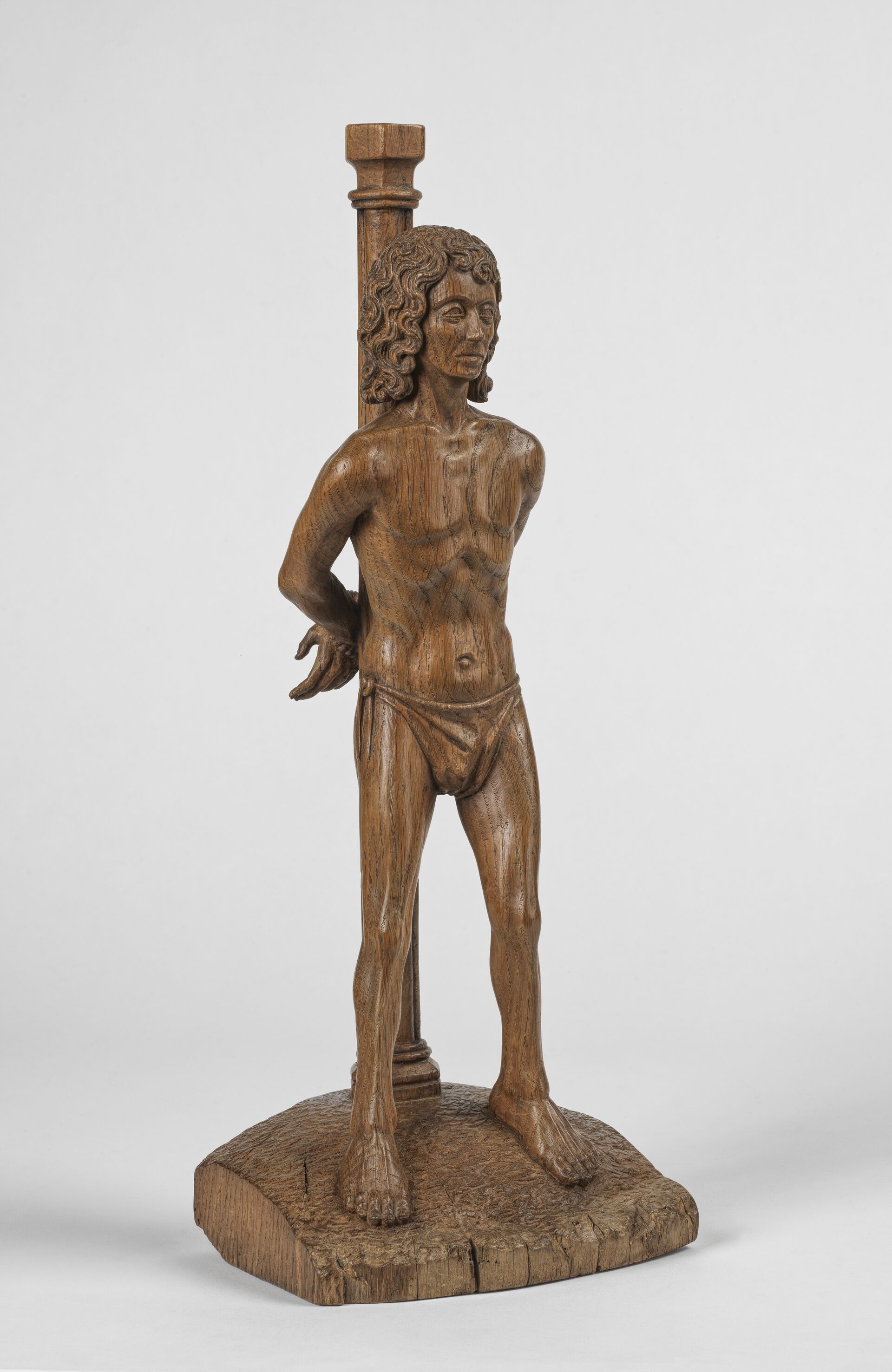
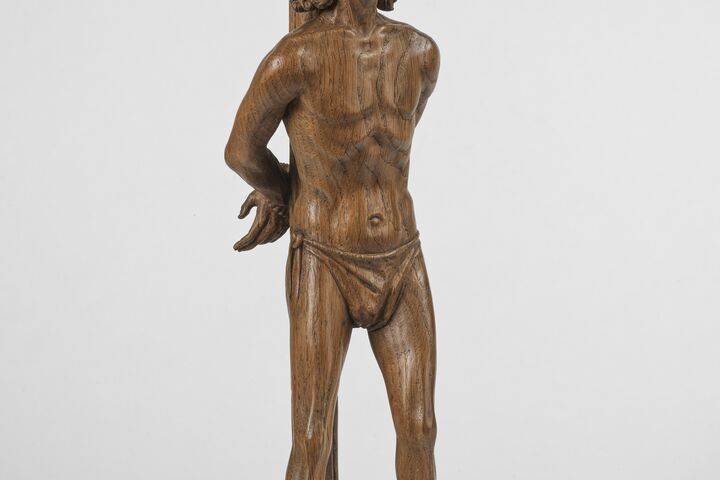
Jan Borman I: Saint George

Rogier van der Weyden is to painting what Jan Borman is to Brabant sculpture: the very best. Experts around the world rank his - and his sons' - work among the most exquisite in late-Gothic sculpture.

Quite right too, as you can see in this Saint George. The small statue of the nearly naked, clean-shaven young man with curly hair is carved with attention to the tiniest details. Look at his finely detailed face, the rope with which he is bound, the folds in his loincloth, and his clearly visible ribs.

Quiz question: why is this definitely not a statue of Saint Sebastian? Answer: because there are no arrow wounds. Saint George was subjected to various forms of torture, including the use of sharp metal, before being executed by beheading. 

Jan Borman I Heilige Joris (c) Kasteel van Loppem - Stichting Jean van Caloen

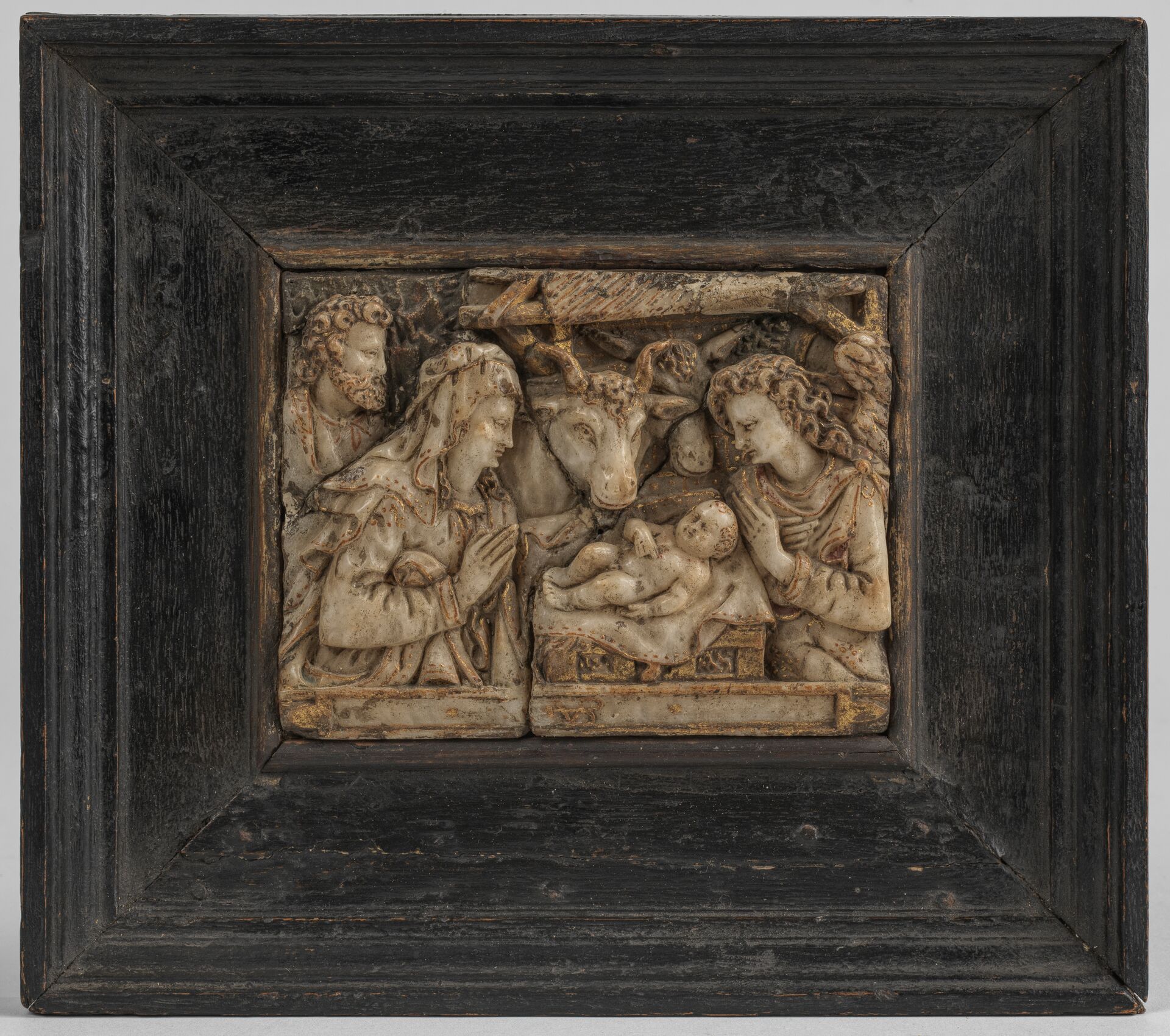
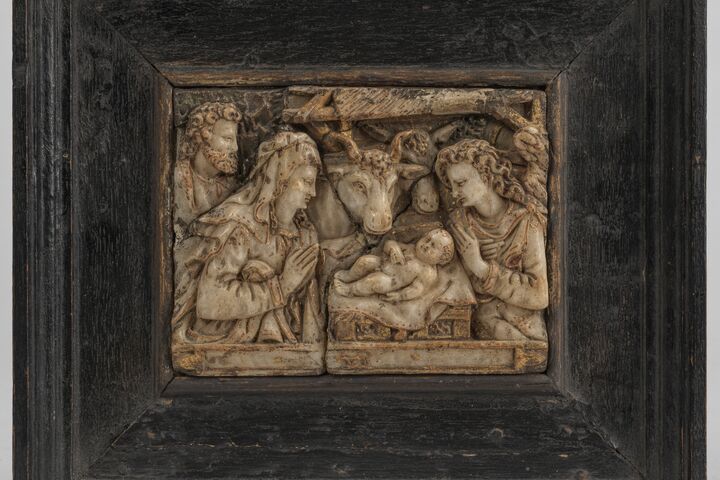
Birth scene, Monogram VB (Hans Verbeke De Jonghe?), alabaster, Mechelen, 1610-1625

Alabaster is a soft, translucent stone, famous for its use in sculpture. You’ll see why in this small scene depicting the birth of Christ. Observe the Infant in the manger, with Mary and an angel alongside. Joseph watches over them, while the ox and the donkey warm Christ with their breath. You can also see part of the stable. Various aspects of the composition are gilded.  

And who crafted this masterpiece? You can spot that on the frame at the front, inscribed with the initials 'VB'. This likely refers to Hans Verbeke the Younger. This master 'fine metalworker' had a workshop from 1610 to 1625, employing various apprentices. 

Keen for more alabaster? Gaasbeek Castle boasts a vast collection. 

Geboortetafereel Monogram VB Albast (c) Kasteel van Loppem -Stichting Jean van Caloen
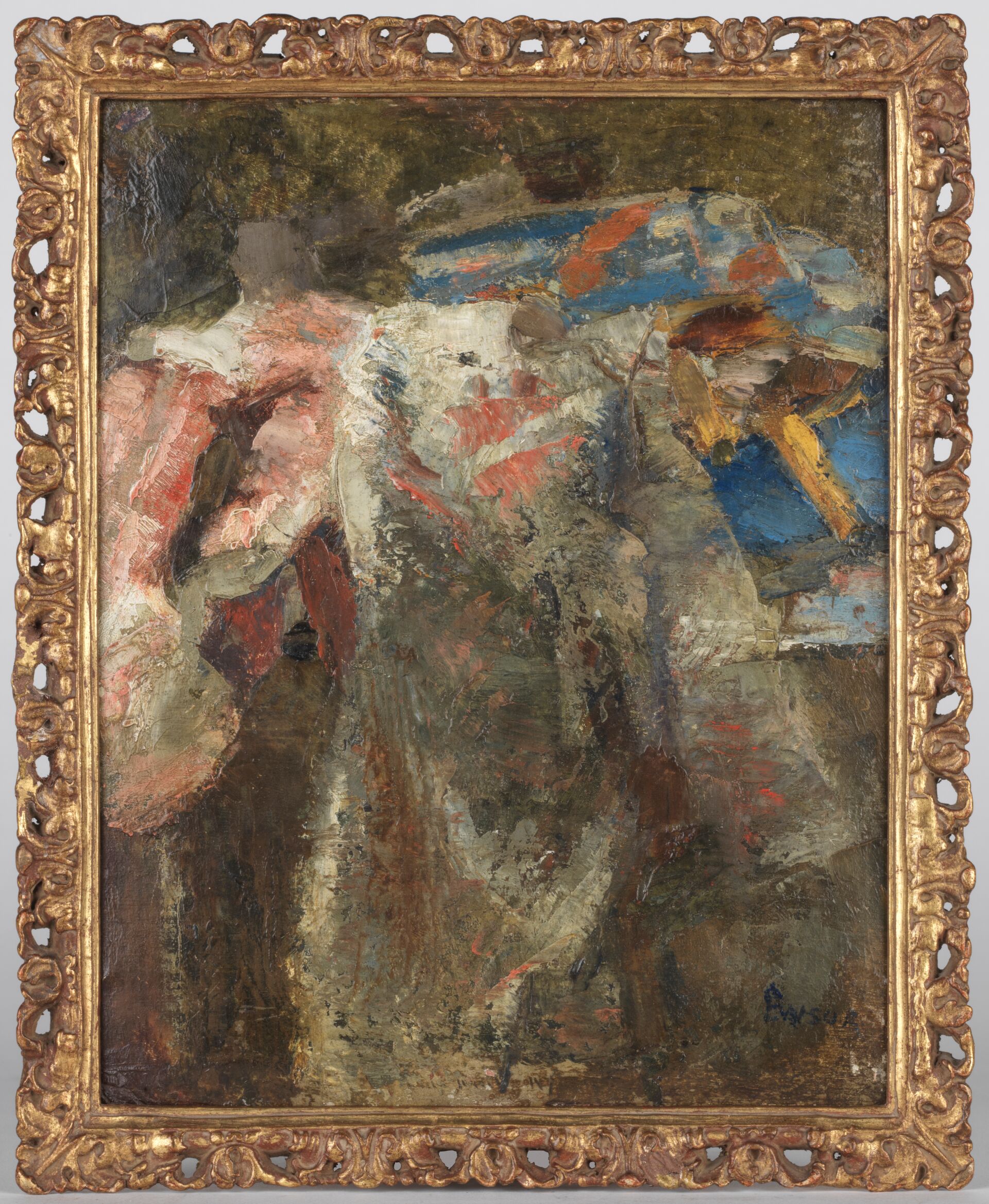
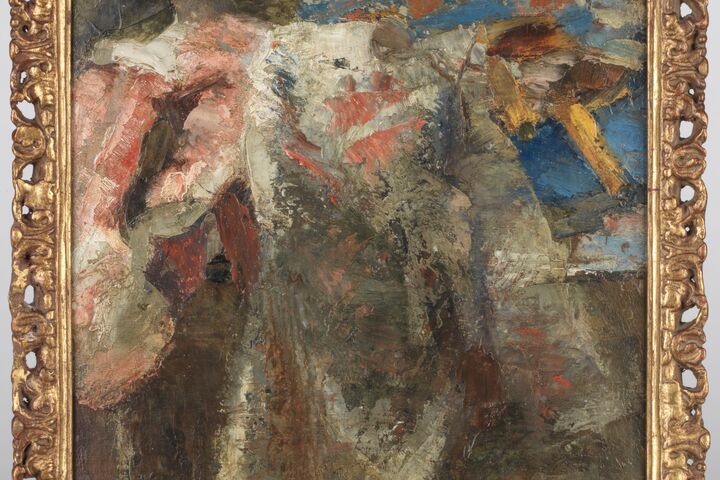
James Ensor - 'Les colifichets' or 'Étoffes' – 1880

‘Les colifichets’ or ‘Étoffes’ is a masterpiece by Ensor. The artist utilised a palette knife to apply oil paint to the pink cardboard. Just a few precise strokes of white, pink, tan, light blue and yellow were enough to capture the subject. It was something the painter did quite often around 1880, which is why the work is associated with this period. 

In the lower right-hand corner, you can see Ensor’s signature. On the back, he wrote the customer’s name with a blue pencil: ‘Mr. Fr(ançois). Franck / Rue Everdy 4(3) / Anvers’. This art collector from Antwerp purchased the sketch from Ensor in 1920, along with eight other works of art. 

James Ensor Les colifichers of Etoffes (c) Kasteel van Loppem Stichting Jean van Caloen

Keen for more excitement around the castle?

  • Loppem maze was built by Albert and Ernest van Caloen, the Lord of the castle's sons. For tickets and opening hours, please check www.zedelgem.be/doolhof 
Practical information

Address

Steenbrugsestraat 26
8210 Zedelgem-Loppem
Belgium
View directions

Opening hours

  • Open Monday to Saturday from 13.00 to 17.30 hrs.

Accessibility

  • Is partially accessible.

More information

Good to know

  • Admission: € 9.00 standard rate

Other sites nearby

Interior of a cathedral with two people observing an altar featuring a large crucifixion painting. Surrounding stained glass windows add colorful light.
Once visitors step inside the church, they can explore the rich art collection.
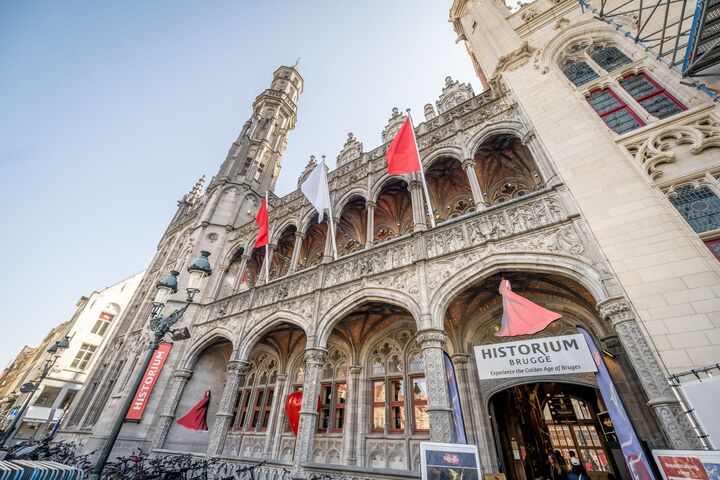
Gothic-style building with arches and ornate details, flying red flags, housing the Historium Bruges. Clear sky enhances the historic and grand atmosphere.
Step inside Historium Brugge and experience a unique journey through the glory days of the medieval city.